
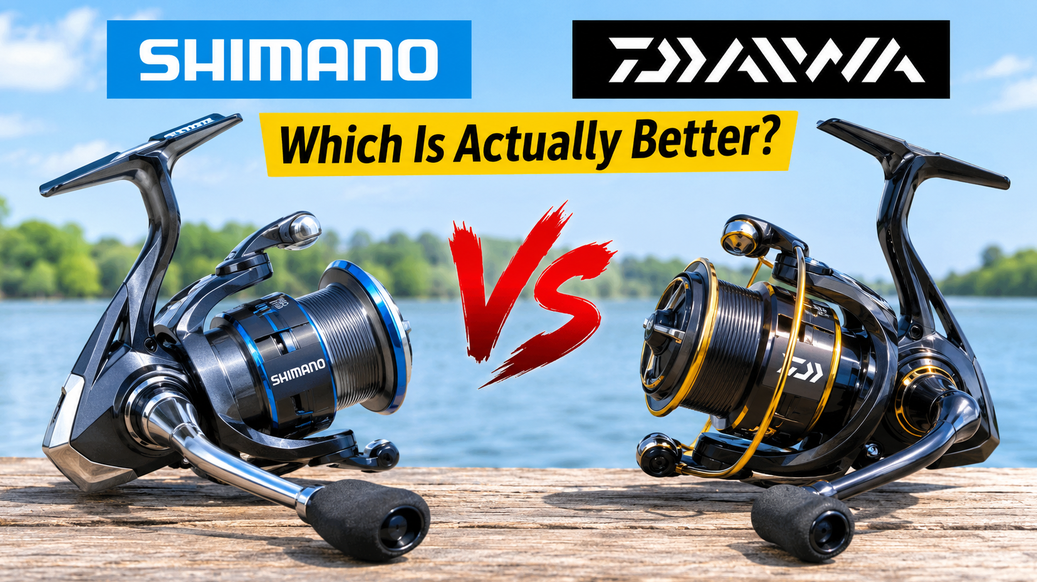
When choosing a quality fishing reel, two brands that frequently come up are Shimano and Daiwa. Both have earned strong reputations among beginner and experienced anglers, offering reels with advanced engineering, smooth performance, and dependable construction. However, there are some important differences that may influence which brand is right for your fishing style.
In this Shimano vs Daiwa comparison, we will look at their design philosophies, performance, durability, and value. We will also compare the Shimano Vanford A and Daiwa Ballistic MQ LT to help you understand what separates these popular spinning reels.
Shimano vs Daiwa: Understanding the Main Differences
Shimano and Daiwa both manufacture fishing reels for freshwater and saltwater applications, but they approach reel engineering differently.
1. Shimano: Smoothness, Precision Engineering
Founded in 1921, Shimano is widely recognized for precision engineering and consistent reel performance. Its technologies are designed to improve gear strength, smoothness, and protection against water and debris.
-
- HAGANE Gear: Designed to provide strong, durable gear performance.
- X-Ship: Supports efficient gear alignment and power transmission under load.
- MicroModule Gear: Uses refined gear teeth to create a smoother retrieve in models equipped with it.
- X Protect Sealing: Helps protect internal components from water intrusion in applicable reels.
- Dura Cross Drag: A cross-woven carbon drag praised for its smooth start-up.
Shimano is often a strong choice for anglers who prioritize a refined retrieve, reliable construction, and consistent performance over time.
2. Daiwa: Lightweight Design and Innovative Features
Founded in 1958, Daiwa has developed a reputation for lightweight reel designs and innovative engineering. Its technologies aim to balance weight, strength, drag performance, and ease of use.
-
- LT – Light and Tough Concept: Lightweight and Tough design philosophy used in many spinning reels.
- MAGSEALED: Magnetic oil technology designed to help protect certain internal reel components from water and contaminants.
- ZAION: A lightweight carbon-based material used in selected reel components.
- ATD Drag: A drag system designed to provide controlled, consistent pressure during a fight.
- Magforce: A braking technology featured in selected Daiwa baitcasting reels.
- Monocoque aka MQ bodies: A one-piece design that allows a larger main gear.
Daiwa can be especially appealing to anglers looking for lightweight equipment, modern features, and strong performance across different price ranges.
Which Is Actually Better: Shimano vs Daiwa?
There is no universal winner because the best reel depends on the model, fishing conditions, and personal preference. Both brands offer excellent options, but their strengths can appeal to different anglers.
1. Smoothness and Retrieve
Shimano reels are frequently praised for their refined gear feel and smooth retrieve. Daiwa also produces exceptionally smooth reels, with some models emphasizing lightweight construction and responsive operation. The difference is often more noticeable when comparing specific models rather than entire brands.
2. Weight and Comfort
Daiwa’s LT design philosophy makes lightweight construction a major feature in many of its spinning reels. Shimano also offers lightweight models, including the Vanford series. For anglers who cast throughout the day, reel weight and balance with the rod can make a meaningful difference.
3. Durability and Maintenance
Both brands produce durable reels, but longevity depends on the specific model, materials, fishing environment, and maintenance. Saltwater anglers should rinse their reels appropriately after use, avoid excessive water pressure, and follow the manufacturer’s maintenance recommendations.
Anglers report that Shimano line roller bearings can wear out in saltwater, though they are a cheap fix and the assembly has been redesigned. Daiwa’s sealed designs are harder to service at home and may need a certified center. Some anglers also say Daiwa often debuts new tech on mid-range reels first, while Shimano tends to refine before launching.
4. Price and Value
Shimano and Daiwa offer reels at entry-level, mid-range, and premium prices. Daiwa often provides attractive lightweight features at competitive prices, while Shimano has strong options for anglers who value refined gearing and smooth operation. Compare specifications and construction before choosing based on price alone.
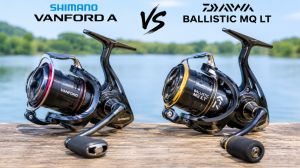
Shimano Vanford A vs Daiwa Ballistic MQ LT
The Shimano Vanford A and Daiwa Ballistic MQ LT are two popular spinning reel options for anglers looking for lightweight performance.
a. Shimano Vanford A
The Vanford A is designed for anglers who want a lightweight reel with a refined retrieve. Its construction and Shimano engineering make it a compelling option for finesse fishing and frequent casting. It is worth considering for anglers targeting species that require precise lure presentation.
b. Daiwa Ballistic MQ LT
The Ballistic MQ LT combines Daiwa’s lightweight design philosophy with its Monocoque body construction. It is designed to offer a strong, compact reel body while keeping overall weight manageable. It is a good option for anglers who want lightweight performance and a solid-feeling reel.
On the other hand, the most useful head-to-head is Shimano Vanford A vs Daiwa Ballistic MQ LT. Both are lightweight carbon-composite finesse reels, so the specs in size 4000 are very close.
| Spec (4000) | Vanford A | Ballistic MQ LT |
|---|---|---|
| Gear ratio | 6.2:1 | 6.2:1 |
| Weight | 7.6 oz | 7.9 oz |
| Max drag | 24 lb | 26.4 lb |
| Line capacity | 180 yd of 30 | 200 yd of 30 |
| Bearings | 8 | 9 |
| Price | $295 | $270 |
In hand, the Vanford feels slightly lighter and has a more skeletal rotor, plus an anti-twist fin that keeps slack line in the roller. The Ballistic feels a touch tighter, with less handle play and a bigger gear case. Both are silky smooth, so choose on looks, handle style, and feel.
Which One Should You Choose?
Choose the Shimano Vanford A if you prefer Shimano’s refined retrieve and lightweight finesse-oriented design.
Consider the Daiwa Ballistic MQ LT if you like Daiwa’s Monocoque body concept and lightweight construction.
Whenever possible, handle both reels and compare how they balance with your preferred fishing rod.
Honest Personal Opinions After Using Shimano and Daiwa Reels
When comparing Shimano and Daiwa, it is important not to assume that one brand is automatically better. Both manufacturers produce excellent reels, and the experience can vary significantly between models and price categories.
On the other hand, Shimano often feels slightly smoother and more refined, while Daiwa gives you more reel per dollar. The Daiwa BG and Fuego are strong budget options, and the Shimano Nasci and Stradic hold their own.
For anglers who prioritize smooth gearing and a refined retrieve, Shimano deserves serious consideration. For those who value lightweight construction and innovative body designs, Daiwa is equally worth exploring. The best decision comes from matching the reel’s features to your target species, fishing technique, and budget.
How to Make Reels Last, Whichever Brand You Pick
- Rinse gently with fresh water after every saltwater trip, then let the reel dry.
- Service it at least once a season if you fish hard.
- Back the drag off before storage.
- Match the size to the target: a 2500 is no surf reel, and a 5000 is overkill for bluegill.
- Check for a metal body, a sealed carbon drag, and available replacement parts.
Frequently Asked Questions
Is Shimano better than Daiwa?
Neither brand is always better. Shimano is often appreciated for smooth gearing and refined performance, while Daiwa offers lightweight designs and innovative features. Compare individual models to find the best fit. At the same price tier, both make excellent reels, and the best choice depends on your fishing style and budget.
Which fishing reel brand lasts longer?
Both Shimano and Daiwa make long-lasting reels. Durability depends on the model, materials, frequency of use, fishing conditions, and proper maintenance.
Are Shimano or Daiwa reels better for saltwater fishing?
Both brands offer saltwater-capable reels. Check the manufacturer’s specifications for water protection and intended use, and rinse your reel with fresh water after saltwater fishing.
Is it worth paying more for a premium reel?
A premium reel may offer better materials, smoother operation, reduced weight, or additional protection features. However, a mid-range reel is often sufficient for recreational anglers.
Which brand is better for beginners?
Both Shimano and Daiwa offer beginner-friendly spinning reels. Focus on a suitable reel size, comfortable weight, dependable drag, and a price that fits your budget.
Which Shimano or Daiwa is lighter?
Daiwa is known for its LT weight reduction, though the Vanford is slightly lighter than the Ballistic in size 4000.
Conclusion: Shimano vs Daiwa Reels
When comparing Shimano vs Daiwa reels, the right choice depends on what matters most to you. Shimano is an excellent option for anglers who appreciate smooth retrieves, precision engineering, and refined performance. Daiwa is equally competitive, especially for those who value lightweight construction, modern features, and strong performance across different price ranges.
If you are comparing the Shimano Vanford A and Daiwa Ballistic MQ LT, consider their individual specifications, feel, and balance with your fishing rod. Rather than choosing a brand based on reputation alone, select the reel that best matches your fishing style and conditions.
Key Takeaways
-
- Shimano: A strong choice for smoothness, precision, and refined gearing.
- Daiwa: A strong choice for lightweight designs and innovative features.
- Shimano leans on gear strength and smoothness
- Daiwa leans on light weight and value.
- The Vanford A and Ballistic MQ LT are nearly equal, so decide on feel and looks.
The best reel is the one that fits your fishing, your hands, and your budget. Hold both in the shop, spin the handle, and buy the one that feels right.
